How to Track Your Investments in a Spreadsheet (One Row Per Holding, Twenty Minutes a Month)

Track your investments in a spreadsheet: one row per holding, what you paid, what it is worth on one update day a month, what to leave off. Twenty minutes.


The five money conversations to have before moving in together, how to keep them from turning into an audit, and the one page you both sign. One evening.
List every debt you owe in one place in about 30 minutes: one line per debt, two totals, every due date on the calendar. The step before any payoff plan.
Budget binder vs spreadsheet vs app: decide in ten minutes which one you will actually open in week three, and which door to start at.
Do a monthly budget review in 20 minutes: four passes (income, fixed, flexible, goals), one change for next month, and the binder page that holds each.
Set up a monthly savings challenge in 15 minutes: one rule, one visible tracker, a place for the money and a plan for the day you miss.
Build a yearly budget in about an hour: twelve months side by side, so renewal months, December and three-paycheck months stop surprising you.
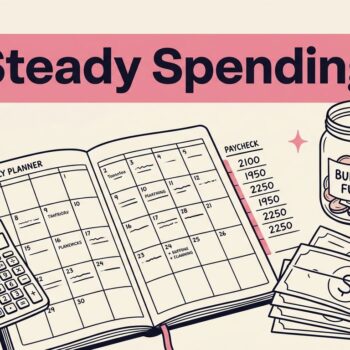
When you manage an unpredictable paycheck each month, a traditional budget can feel like a bad joke. One month you are ahead, and the next you are stuck in a frustrating feast or famine cycle while trying to navigate variable income. Irregular income budgeting gives every dollar a job without pretending your cash flow is […]
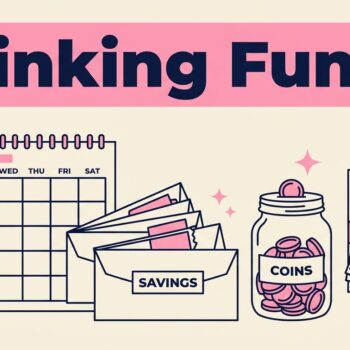
Your annual bills aren’t surprises. They only feel surprising when they hit your account all at once. A sinking fund budget helps you break big, expected costs into small monthly amounts. Instead of putting car insurance, holiday gifts, or professional dues on credit cards, you save for them ahead of time to cover predictable expenses […]