When you manage an unpredictable paycheck each month, a traditional budget can feel like a bad joke. One month you are ahead, and the next you are stuck in a frustrating feast or famine cycle while trying to navigate variable income.
Irregular income budgeting gives every dollar a job without pretending your cash flow is steady. By building a smart spending plan, you can break the stress of unpredictable earnings. You do not need a perfect paycheck to achieve financial stability; you just need a system built around your real expenses, your slow months, and your actual pay pattern.
This post may contain affiliate links. If you make a purchase through these links, I may earn a small commission at no extra cost to you.
Jump Ahead To:
Key Takeaways
- Build your monthly budget around your baseline income, not your highest-earning month.
- Know the exact cost of your essential expenses before you plan savings, debt payoffs, or fun money.
- Keep a dedicated buffer fund for uneven paychecks and use it to cover routine gaps.
- Give extra income a purpose before it disappears into everyday spending.
- Avoid using credit cards, cash advances, or payday loans to fund normal monthly bills.
Start With Your Bare-Minimum Monthly Number
The biggest shift when managing variable income is this: you can’t budget from what you hope will come in. You budget from what you can count on by establishing a solid baseline income.
Look back at the last six to 12 months of earnings. Include your salary, commissions, freelance income, bonuses, tips, contract work, or business draws. Then find your lowest normal month. Leave out a one-time unpaid break or an unusual emergency, but don’t ignore predictable seasonal income drops that happen every year.
That lower number is your planning income. It may feel conservative. Good. A budget should help you sleep at night, not require a miracle to work.

Next, list out a bare-bones budget to cover the expenses that keep your life running:
- Housing, utilities, groceries, transportation, insurance, and minimum debt payments
- Childcare, prescriptions, pet care, and other essential expenses
- Monthly bills that don’t come every month, such as annual memberships or car registration
- A small amount for personal spending, because a budget with no breathing room rarely lasts
When organizing your bills, separate your predictable fixed expenses from your adjustable flexible expenses. This separation helps you manage all your core financial obligations when earnings dip.
Don’t use an average that makes your budget look better than it is. If you earned $4,000, $6,000, and $9,000 across three months, your lifestyle can’t be built around $6,333 if $4,000 months are part of the deal.
Your baseline income needs to cover essential expenses, while higher-income months can fund your broader financial goals.
If your essential expenses are higher than that number, you have a clear problem to solve. Reduce a bill, adjust a due date, find more dependable work, or increase income. Ignoring the gap only puts it on a credit card later.
Build Your Irregular Income Budget in the Right Order
Once you know your income floor, put your money in order of importance. This is where irregular income budgeting starts to feel less stressful and more practical.
Paying every category a fixed percentage can work for some people. But when income is inconsistent, adapting a zero-based budget into a priority-based budget strategy is often easier to use. Your rent doesn’t become less important because a client pays late.
Start with the bills that protect your housing, transportation, health, and ability to work. Then fund food and basic household needs. After that, focus on minimum debt payments, savings goals, extra debt payoff, and lifestyle spending.
Here is a simple way to organize it:
| Priority | What belongs here | What happens in a low-income month |
|---|---|---|
| First | Fixed expenses like rent, utilities, insurance, groceries, transportation | Fund these first |
| Next | Minimum debt payments, prescriptions, childcare | Pay on time |
| Then | Savings, sinking funds, extra debt payments | Reduce or pause if needed |
| Last | Discretionary spending like dining out, shopping, travel, upgrades | Spend only after priorities are covered |
The goal isn’t to make every month look identical. The goal is to make your decisions ahead of time.
For example, your commission check may arrive on the 15th, while rent is due on the first. Instead of treating the commission as money for the current month, use it to fund next month’s bills to stabilize your cash flow. That one-month gap between earning and spending is where a lot of peace lives.
The Nebraska Department of Banking and Finance’s guidance on irregular income also recommends basing spending on lower-income periods. It’s a simple habit that protects you when a slower month shows up.
Create a Buffer Before You Count on Extra Money
A buffer is cash set aside for the months when income lands late, a contract ends, or your normal sales cycle slows down. It prevents the emotional roller coaster of feast or famine cycles caused by income fluctuations. It is not a reward fund. It is not money waiting to be spent.
Start small if you need to. Your first goal might be $500. Then aim for one month of essential expenses. Over time, work toward a larger emergency fund that fits your job stability and household needs.

Use a separate holding account or buffer fund if seeing the money in checking makes it too easy to spend. Name it something clear, like “Income Buffer” or “Next Month’s Bills,” alongside your broader emergency fund.
When a bigger-than-usual payment comes in, don’t make a dozen decisions in the moment. Use a repeatable split. You might:
- Refill your buffer fund first.
- Set aside taxes if you’re self-employed or paid as a contractor.
- Fund upcoming irregular expenses, such as insurance premiums or holiday travel.
- Put money toward debt, retirement, investing, or financial goals that matter to you.
- Keep a planned amount for discretionary spending, without guilt.
This gives your bigger months a purpose. Otherwise, extra income can vanish fast because your spending rises to match it.
For those managing freelance income, sales professionals, and business owners, taxes deserve their own category. Money that arrives in your account is not always money you get to keep. Set aside the amount your tax professional recommends each time you are paid. Waiting until tax season can turn a good income month into a stressful bill.
Plan for Bills That Don’t Show Up Monthly
Your budget can look fine right up until the annual car insurance payment, holiday spending, professional renewal fee, or vet visit arrives. Then suddenly it feels like an emergency.
It wasn’t an emergency. It was simply one of those non-monthly expenses without a plan.
This is where sinking funds help. A sinking fund is money you save in small pieces for a known future cost. When you manage your monthly budget, these unpredictable or periodic bills can easily throw you off track if you only focus on fixed expenses. If your annual professional membership costs $360, save $30 each month. If holiday gifts usually cost $600, set aside $50 monthly instead of charging everything in December.
Keep the categories personal. Your list might include:
- Car repairs and maintenance
- Medical and dental costs
- Travel to see family
- Home repairs
- Gifts and holidays
- Business software, licensing, or continuing education
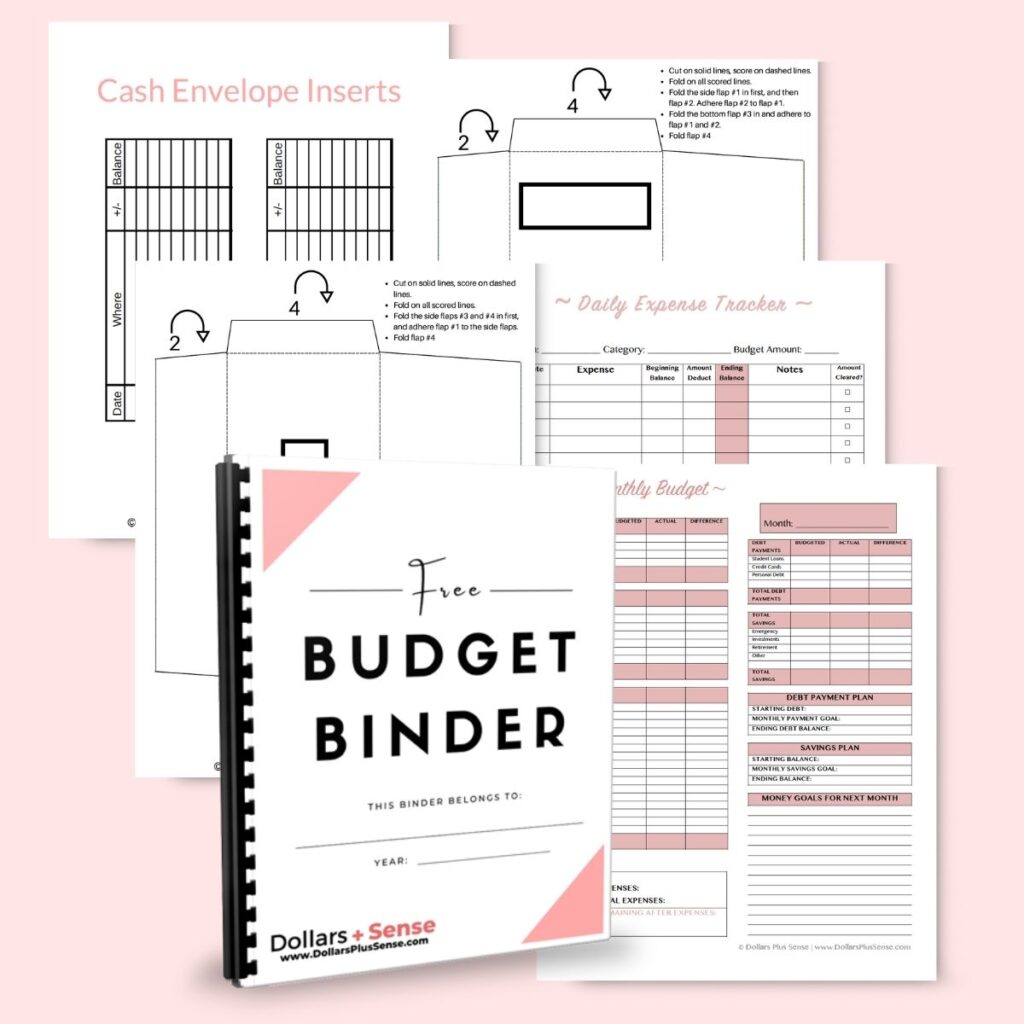
You don’t need 20 separate accounts. A spreadsheet, budget binder, or savings account with labeled buckets can work. What matters is that the money isn’t mixed in with everyday spending, and consistently tracking expenses keeps your sinking fund balances accurate for all your non-monthly expenses.
The Paycheck Plan ($12) was built for exactly this: it asks one question per bill, which paycheck pays it, so money gets assigned to next month’s bills the day it lands. The method matters less than checking it regularly. Pick a system you will open every week.
Stop Using Debt to Patch Routine Gaps
A credit card can be useful when you already have the cash to pay it off. It becomes a problem when it is your plan for groceries, rent, or utilities during every slow month.
Routine gaps need a cash flow solution. That may mean cutting a recurring expense, changing due dates, building a buffer, or finding a steadier income source to cover essential expenses. It may also mean temporarily pausing extra debt payoff while you stabilize your monthly budget. There is no shame in that.
Payday loans and credit card cash advances can make the pressure worse. Cash advances often charge higher interest right away, with fees added on top. Payday loans usually have short repayment windows and can come with expensive fees. Borrowing $300 to reach your next payday can become a much bigger bill if you can’t repay it on time.
If you are already relying on debt to cover basics, make this your next financial plan:
- Cover the minimum payments and protect your essential bills.
- Stop adding optional spending to credit cards.
- Call lenders or service providers before you miss a payment and ask about options.
- Review recurring charges and cancel what no longer fits.
- Direct the next extra income payment to your cash cushion before adding new lifestyle costs.
This is educational information, not personalized financial advice. If debt payments are becoming unmanageable, a qualified nonprofit credit counselor or financial professional can help you review your options.
Review Your Plan Every Week, Not Once a Month
With a regular paycheck, you may get away with checking your budget once or twice a month. When you manage a variable income, routine tracking expenses works better to keep your financial life on track.
Look at your account balances. Confirm what bills are due before the next expected payment. Check whether a client invoice, commission, or side-hustle payment has arrived. Then decide what each new dollar needs to do.
Keep it simple. Set a 15-minute appointment with yourself every Friday or Sunday to focus on tracking expenses and keeping your spending plan accurate. Pour your coffee, open your budget, and check the facts. No shame spiral. No pretending the numbers aren’t there.
Your budget will change as your income changes. Adapting your budget strategy week by week does not mean you failed. It simply means you are paying attention.
Frequently Asked Questions
How do I budget when my income changes every month?
Start by calculating your baseline income using your lowest normal earning month over the past year. Build your core spending plan around that conservative number so your essential bills are always covered.
What should I do with extra money during a high-income month?
Give your extra earnings a clear job by refilling your buffer fund first, setting aside taxes, and funding non-monthly expenses. Only allocate the remaining surplus toward discretionary spending or broader financial goals after your priorities are secure.
How does a buffer fund help with irregular income?
A buffer fund acts as a financial bridge to smooth out the gaps between late payments and slow cycles. It prevents the stress of feast or famine months by ensuring you always have cash for routine bills.
Give Your Money a Plan Before It Arrives
An unpredictable paycheck doesn’t have to create a variable level of stress. When your essential expenses fit within a conservative baseline income estimate, income fluctuations stop turning slow months into a financial emergency. A solid financial plan helps you build a monthly budget that keeps you grounded, while a zero-based budget ensures every dollar has a specific job before it even hits your account.
Budget the way you actually get paid: The Paycheck Plan ($12)
Most budgets are built around a month. Irregular income is not. The Paycheck Plan assigns every bill to the check that pays it, so a big month funds a slow one instead of disappearing. A five-tab spreadsheet with the formulas written, a phone app, and two printable pages, all running the same plan, one price.
Irregular income budgeting works when you plan for the lower months, save the difference in stronger months, and avoid borrowing for normal life. By focusing on variable income management, you can achieve lasting financial stability, knowing your next step stays clear no matter how your earnings shift.