
A common question people ask is: Do Amish pay taxes? The Amish community maintains a simple lifestyle and lives separately from much of modern society, so many assume they do not participate in the government tax system in the United States.
The truth is more nuanced. Amish people do pay many of the same taxes as other U.S. citizens — but their religious beliefs allow certain exemptions for programs their community does not use.

Before we dive into which taxes Amish individuals pay and which they don’t, here’s a quick tip: staying organized with your own tax records and finances can make everything much easier. If you want a streamlined system to track income, expenses, and financial goals, download my FREE Budget Binder — it’s packed with helpful worksheets to keep everything in one place.
Now, let’s take a closer look at how taxation works for Amish communities in the United States.
Jump Ahead To:
Amish Religious Beliefs and Self-Sufficiency
Amish people believe strongly in supporting their own community and providing for their families through local cooperation, rather than relying on government programs. Their faith, as expressed through the Amish church, shapes their family life, work, and financial decisions.
They emphasize:
- Community support.
- Self-sufficiency.
- Modesty and simple living.
- Limited reliance on the outside world.
This approach influences which public services they do or do not use — but it does not remove their general tax responsibilities.
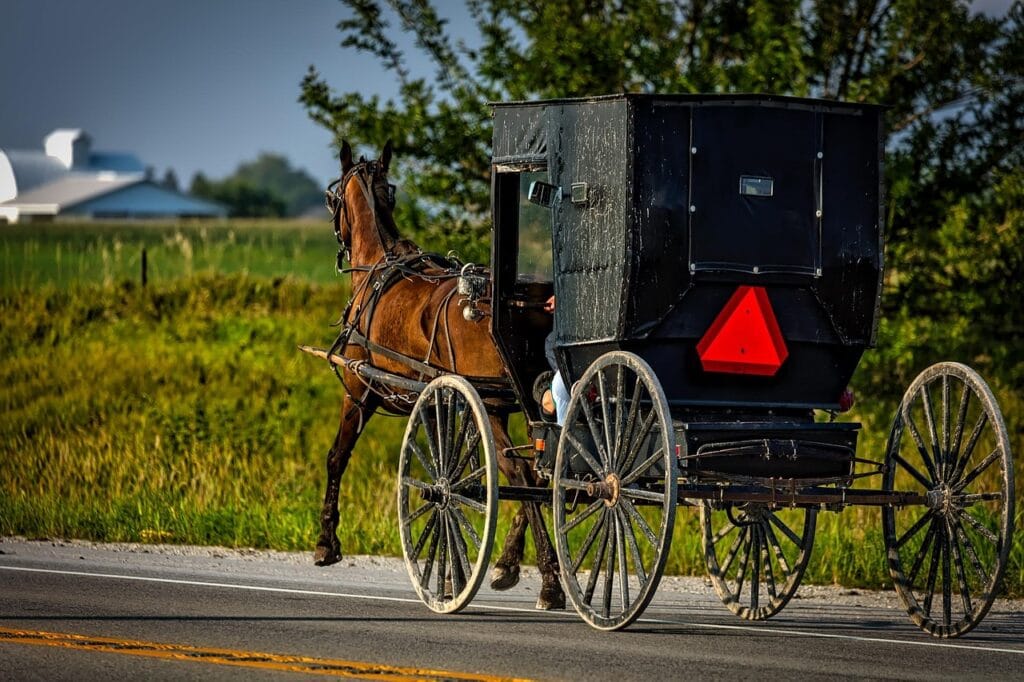
Do Amish Pay Taxes?
Yes. Amish individuals and Amish business owners pay many federal, state, and local taxes. They participate in the U.S. tax system, especially when earning income, owning land, or purchasing goods.
The Internal Revenue Service (IRS) recognizes the Amish as law-abiding citizens who contribute to the country financially. However, certain exemptions exist because their religious beliefs prevent participation in some government programs.
Taxes Amish People Typically Pay
Although their lifestyle is different from mainstream society, Amish people pay most standard taxes required of American citizens.
Federal Income Taxes
Most Amish people pay federal income tax on wages or business income. Their occupations vary — farming, carpentry, construction, furniture building, and small manufacturing businesses serving local and national customers.
State Income Taxes
In states that collect income tax, such as Ohio or Pennsylvania, Amish workers and business owners pay these taxes like anyone else.
Sales Taxes
Even though Amish individuals make many goods themselves, they still buy items from retail stores. When they do, they pay sales tax just like any other consumer.
Common purchases may include:
- Hardware and tools.
- Clothing and household supplies.
- Farm equipment and feed.
Property Taxes
Amish families typically own their homes, land, and farm property. Therefore, they pay property taxes that support local governments and community services, including public schools — even though their children attend private Amish schools.
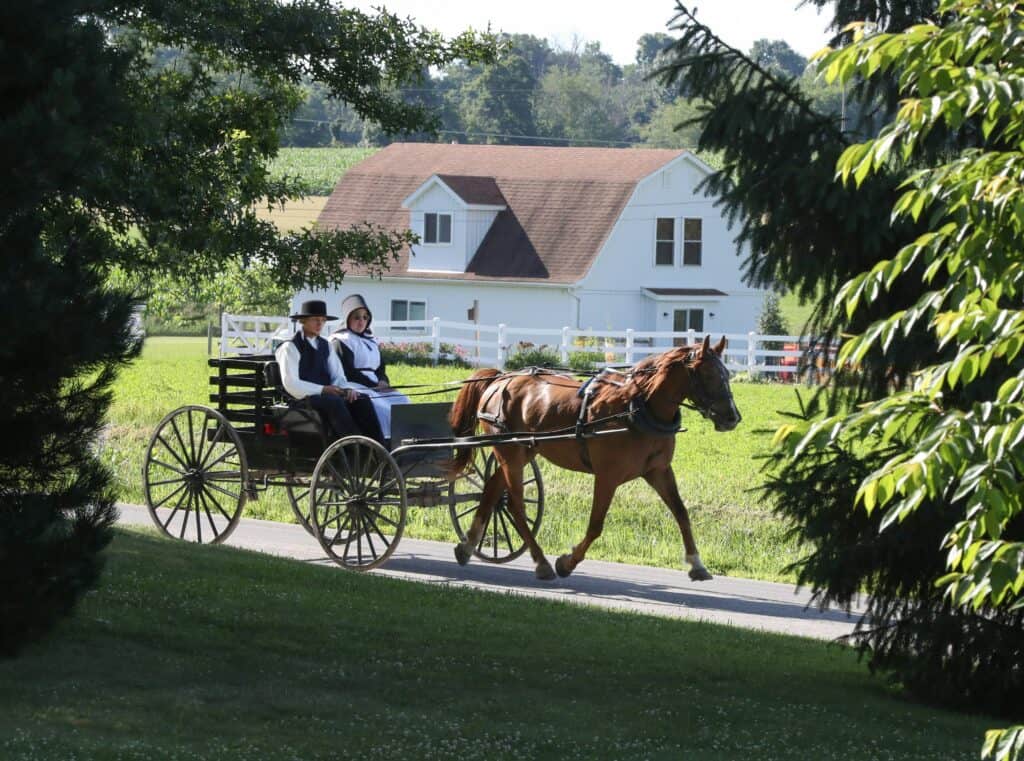
Gas and Transportation Taxes
Amish people famously use horse-drawn buggies, but they still pay taxes related to:
- Fuel for farm machinery.
- Road and local infrastructure through property taxes and consumer purchases.
Taxes Amish People May Be Exempt From
Now that you know the taxes Amish people typically pay, here are some taxes Amish people may be exempt from.
Social Security Taxes and Medicare Taxes
This is the most widely known exemption. Amish individuals:
- Do not collect Social Security benefits
- Do not use Medicare
Because they do not use these systems, they are allowed to opt out of paying Social Security taxes if they file the proper exemption paperwork and are members of the Amish church.
Their community takes care of:
- Retirement needs.
- Health care expenses.
- Times of need.
This fulfills the government requirement that they have an alternative support system.
Unemployment Taxes
Amish people do not collect unemployment benefits. Therefore:
- Amish employers with only Amish workers may be exempt from paying FUTA unemployment taxes.
- If employing non-Amish workers, taxes must be paid as usual.
Amish self-employed individuals may also avoid self-employment taxes if they have filed the religious exemption.

Why the Amish Are Exempt From Some Taxes
These exemptions exist because the government recognizes Amish religious convictions. Their community strongly believes that caring for each other — not relying on outside programs — is a religious duty.
So when they ask not to participate in public benefit systems, they also ask not to fund them. They still contribute to society through taxes for:
- Roads
- Fire protection
- Local government services
- Public infrastructure
It’s a balanced and respectful coexistence.
Amish Employment and Business Taxes
Many Amish individuals work within Amish communities, but some Amish people work for non-Amish employers. In those cases:
- The employer must withhold Social Security taxes.
- The exemption does not automatically follow them into secular workplaces.
Amish businesses must still comply with:
- Federal and state income tax regulations.
- Business licenses.
- Payroll taxes for non-Amish workers.
Amish people often use trusted Amish accountants who understand the unique tax considerations in their districts.
Do Amish Use Public Services?
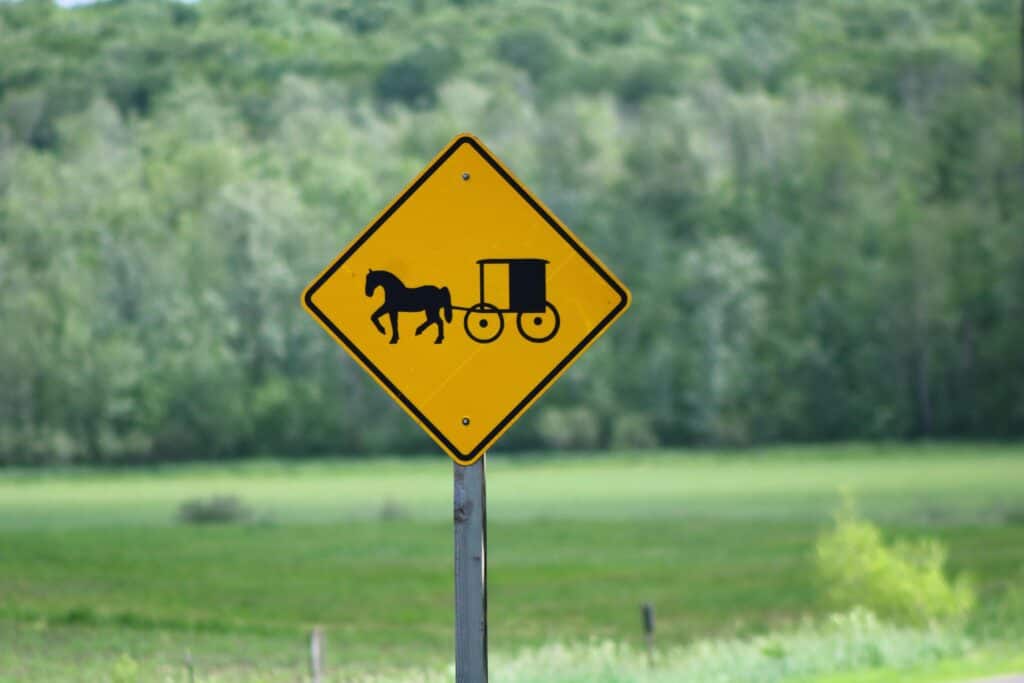
The Amish avoid many public services like Social Security, unemployment, and public schooling. But they do use common services such as:
- Roadways maintained by the local government.
- Emergency services (fire, police, paramedics).
- Court systems when needed.
They contribute to the funding of these systems through their tax obligations.
Education and Public School Taxes
Amish children attend small, private Amish schools operated by the Amish church until around age 14. Instruction focuses on:
- Practical skills.
- Moral and religious teachings.
- Community responsibility.
Even though they do not use public schools, Amish families still pay the school taxes that fund them. This is a common point of curiosity and sometimes admiration from non-Amish neighbors.
Where Do Amish Communities Live?
The largest Amish populations are located in:
- Pennsylvania (especially Lancaster County)
- Ohio
- Indiana
Other rural regions include:
- Wisconsin
- Michigan
- Missouri
- Kentucky
- New York
These rural areas support traditional farming and family life separate from the modern world’s influence.

How Amish Values Influence Their Tax Responsibilities
To better understand why Amish people handle taxes differently, it helps to consider their Amish lifestyle and faith-based principles. Amish individuals follow U.S. laws but strive to maintain a self-sufficient lifestyle centered on family, simplicity, and faith.
Community Support Over Government Programs
Unlike most households that rely on modern conveniences, an average Amish family depends on its church district and neighbors for support. In Old Order Mennonite and other Amish groups, health insurance and modern medicine are often avoided when they conflict with religious teachings. Instead, they practice mutual assistance — a system that provides financial help during illness or hardship, serving as their own form of insurance.
Financial Independence and Community Banking
Amish communities often rely on community banks that understand their unique approach to financial planning and lending. These banks work with Amish farmers and business owners to ensure access to capital without compromising their religious values.
The result is a system built on trust, self-reliance, and cooperation — a reflection of their self-sufficient lifestyle and enduring commitment to faith over modern financial systems.
Balancing Faith and Citizenship
As American citizens, Amish people respect tax laws but interpret them in a way that protects their faith and keeps their religious communities independent from federal programs. Their actions reflect a deep understanding of both state laws and moral duty.
While Amish youth may learn basic civics — including standing for the national anthem — they are taught that their highest allegiance is to their church and community.
A Delicate Balance Between Faith and Modern Society
For the Amish, there’s always a delicate balance between living apart from the modern world and engaging with it when necessary. Amish men and women recognize their role as law-abiding citizens, paying taxes that fund public roads and local infrastructure, yet they continue to resist dependence on modern technology and government assistance.
Their system works because of strong community cooperation — everyone helps one another, from Amish farmers to small business owners. This structure allows them to participate in the modern economy while preserving their simple living values.

Summary
Do Amish pay taxes? The short answer, yes.
Amish people pay many taxes, including:
- Federal and state income taxes.
- Property taxes.
- Sales taxes.
- Gas and related infrastructure taxes.
The only major exceptions involve Social Security and Medicare taxes, because Amish communities do not rely on those programs — they support their own members through community assistance.
Their self-sufficiency and commitment to their beliefs create a unique relationship with government systems — one based on mutual respect and responsibility.
Related Articles: