If you’re a small business owner or self-employed entrepreneur, you may have heard about the 6,000-pound vehicle tax deduction. It’s one of the most powerful tax benefits available for those who use vehicles for business purposes — but it also comes with specific rules under the Internal Revenue Code.

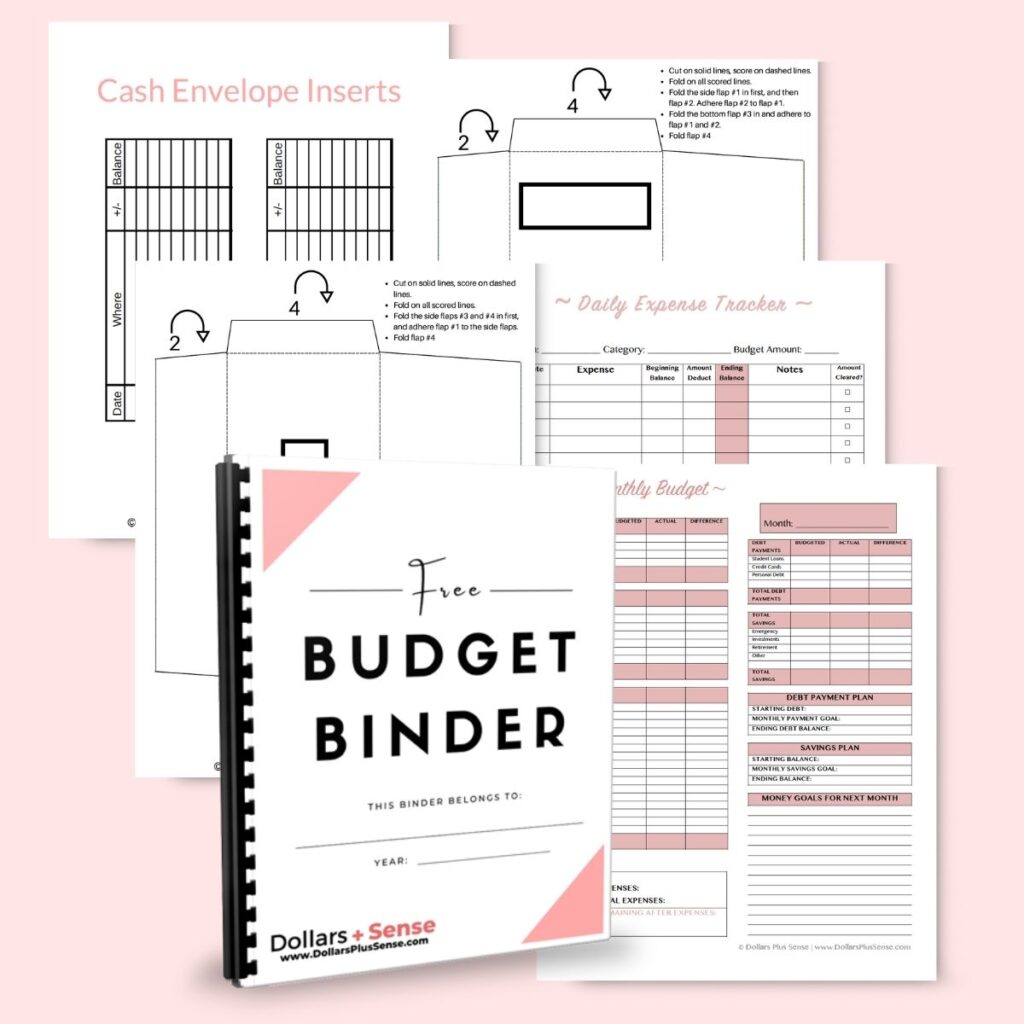
Before we jump into the numbers, here’s something that can make your finances a lot easier this tax season: my FREE Budget Binder. It helps you organize income, track business expenses, and separate business and personal spending — which is essential if you plan to claim this deduction.
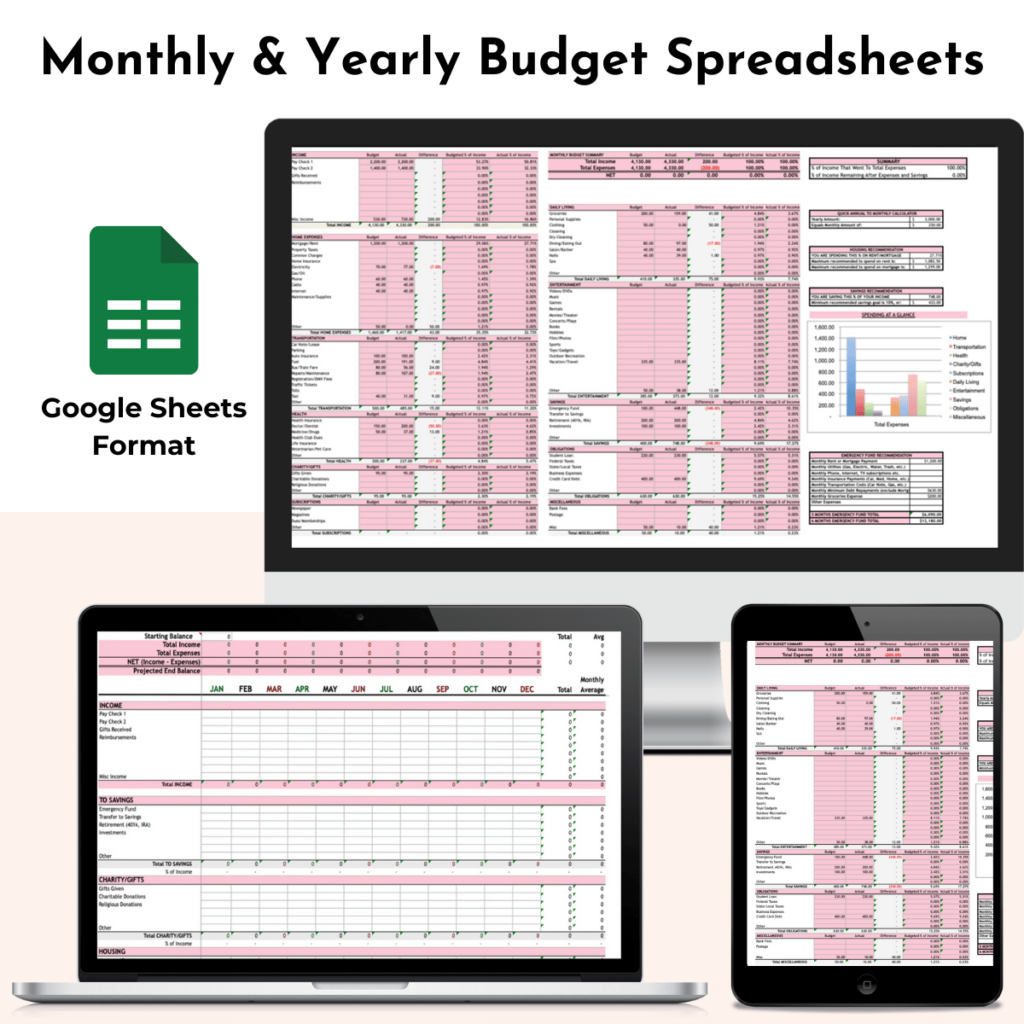
Prefer something digital? Try my Budget Spreadsheet, which is also perfect for tracking income and expenses throughout the year.
Once your finances are organized, you’ll have a much clearer picture of how this deduction can lower your tax liability. In this post, I’ll explain how the Section 179 and bonus depreciation rules work, what qualifying vehicles meet the gross vehicle weight rating (GVWR) requirement, and how to maximize your deduction — all while staying compliant with IRS guidelines.
Disclaimer: I’m a lawyer and financial educator, but not your tax advisor. This article is for informational purposes only. Always consult a qualified tax professional before making business or tax decisions.
Jump Ahead To:
What Is the 6,000-Pound Vehicle Tax Deduction?

The “6,000-pound rule” refers to a tax deduction under IRS Section 179, which allows businesses to deduct the full purchase price of qualifying vehicles used for business. To qualify, a business vehicle must have a gross vehicle weight rating (GVWR) of more than 6,000 pounds but less than 14,000 pounds.
This provision is designed to help small business owners and self-employed individuals offset the cost of purchasing work vehicles, such as heavy SUVs, pickup trucks, or cargo vans used primarily for business purposes.
Under current tax rules, you can often write off up to 100% of the purchase price in the first year (the tax year you place it in service) using bonus depreciation or Section 179 expensing.
Who Can Claim This Deduction?

You can claim this deduction if:
- You’re a business owner or independent contractor.
- The vehicle is used for more than 50% business purposes (not personal use).
- It’s purchased and placed into service during the tax year you’re filing.
Examples of qualifying professions:
- Real estate agents.
- Construction contractors.
- Small business owners with delivery vehicles.
- Medical professionals making client visits.
- Self-employed consultants traveling between different locations.
If the vehicle is used for personal purposes, the deduction must be prorated according to the percentage of business use.
How Section 179 and Bonus Depreciation Work Together
The Internal Revenue Code Section 179 allows businesses to deduct the entire purchase cost (up to the annual limit) of qualifying property — including business vehicles.
In addition, the bonus depreciation provision under the Tax Cuts and Jobs Act lets you deduct 100% of the remaining cost after applying Section 179, even for used vehicles (as long as they’re new to you).
This means small businesses can often deduct the full purchase price of qualifying heavy vehicles in the first year, reducing taxable income and tax liability dramatically.
Here’s a simple example:
| Vehicle Type | Purchase Price | Deduction Method | First-Year Deduction |
|---|---|---|---|
| Heavy SUV (GVWR > 6,000 lbs) | $85,000 | Section 179 + Bonus Depreciation | Up to $85,000 |
| Passenger Car (GVWR < 6,000 lbs) | $50,000 | Standard Depreciation | ~$18,000 cap (varies by tax year) |
Vehicles That Qualify for the 6,000 lb Deduction
A qualifying vehicle must meet IRS Section 179 requirements for gross vehicle weight rating and business use. Generally, large SUVs, pickup trucks, and cargo vans qualify if their manufacturer’s label shows a GVWR above 6,000 pounds.
Examples of qualifying vehicles often include:
- Cadillac Escalade
- Chevy Tahoe, Suburban, Silverado 2500
- GMC Yukon, Sierra 2500
- Ford Expedition, F-250, Ford F-150 SuperCrew (check GVWR)
- Toyota Sequoia, Land Cruiser, Tundra
- Ram 2500, Jeep Grand Cherokee
- Mercedes G-Class
- BMW X5, X6, X7
- Cargo vans such as the Mercedes Sprinter, Ford Transit, or Ram ProMaster

Always verify the manufacturer’s gross vehicle weight rating — you can find it on the label inside the driver’s door (near the driver’s seat or leading edge of the windshield).
Tax Rules, Purchase Price, and Timing
Timing matters. To qualify for the deduction, the vehicle must be:
- Purchased and placed into service within the calendar year (not just ordered).
- Used primarily for active conduct of trade or business.
- Accompanied by documentation of purchase price, business use percentage, and mileage logs.
For example, if you buy a new vehicle in November and start using it for business purposes immediately, you can typically deduct the entire purchase cost for that tax year.
If the vehicle is used partly for personal use, you can only deduct the percentage used for business.
Tax Implications and Legal Aspects
While this deduction offers powerful tax benefits, it’s essential to comply with the specific regulations in the IRS tax code. Misclassifying personal vehicles as business vehicles can lead to legal consequences or IRS audits.
You’re also required to maintain reasonable records to support your business use — such as mileage logs, trip purposes, and receipts.
If the IRS finds the vehicle was used mostly for personal purposes, you may lose the deduction and face penalties for breach of fiduciary duty if it was claimed through a business entity.
Passenger vs. Heavy Vehicles

The IRS distinguishes between passenger automobiles and heavy vehicles:
- Passenger vehicles (under 6,000 lbs GVWR) are subject to depreciation limits — usually capped at around $19,200 in the first year.
- Heavy vehicles (over 6,000 lbs GVWR) may qualify for immediate depreciation deductions under Section 179 and bonus depreciation.
This makes large SUVs and pickup trucks attractive options for small businesses that need work vehicles for business purposes.
However, the IRS also enforces special rules to prevent abuse — for example, luxury SUVs used mainly for personal use don’t qualify.
How to Maximize Your Deduction
To make the most of the 6,000 lb vehicle deduction, follow these steps:
- Confirm GVWR – Check the manufacturer’s label on the vehicle’s body section or door frame.
- Track Business Use – Maintain detailed mileage logs for business vs. personal use.
- Consult a Tax Advisor – Work with a tax professional familiar with small business tax rules and bonus depreciation laws.
- Keep Records – Retain receipts, contracts, and IRS tax returns showing when the vehicle was placed into service.
- Use the Vehicle Wisely – Avoid using it mainly for personal purposes to protect your tax deduction.

Summary
The 6,000-pound vehicle tax deduction can provide huge savings opportunities for small businesses, entrepreneurs, and self-employed professionals. By purchasing qualifying heavy SUVs, pickup trucks, or cargo vans used primarily for business purposes, you can potentially deduct the full purchase price in the first year.
The bottom line: follow the IRS Section 179 rules carefully, maintain accurate records, and seek professional tax advice to ensure compliance with the current IRS tax code.
Related Articles: