If you’re buying or selling a home, you’ll likely hear the term “escrow fees” during the closing process. But what exactly are they—and how much should you expect to pay?
Escrow fees are part of your real estate transaction’s closing costs, covering the services of a neutral third party that manages the funds, legal documents, and property transfer between the buyer and seller.
But before you dive into homeownership, it’s important to get your finances organized. I recommend starting early with a budgeting system that helps you track your savings, down payment, and future expenses.

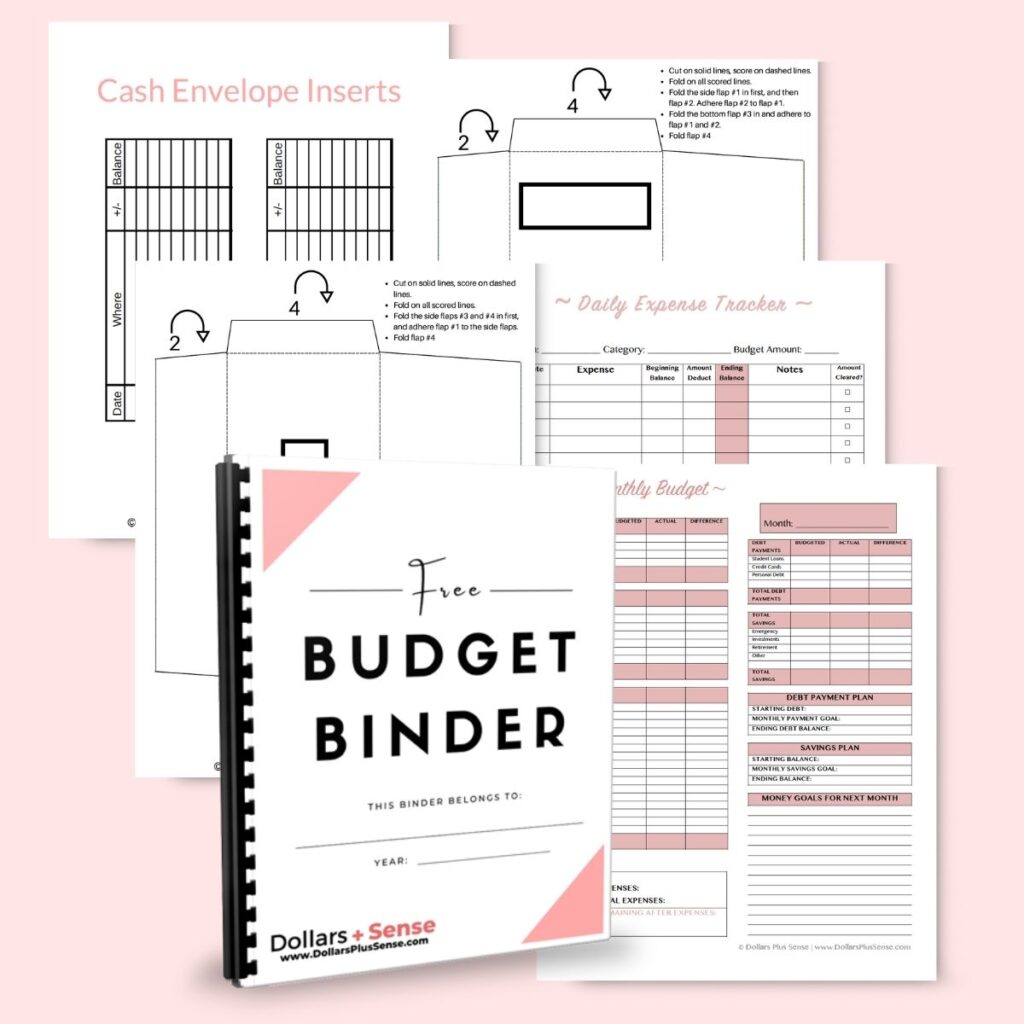
You can download my FREE Budget Binder to plan ahead and stay on top of every detail—from your first offer to the closing table.
Now that you have a plan to get your finances organized, let’s talk about the escrow process.
Jump Ahead To:
What Do Escrow Fees Cover?
Escrow fees are the charges you pay for the services provided by the escrow company during your real estate transaction. These fees cover the administrative work involved in holding and distributing funds, managing legal documents, and coordinating all parties through the closing process.
In addition to those services, escrow-related costs may also include:
- Title insurance.
- Attorney or notary fees.
- Mortgage origination charges.
- Prepaid items such as property taxes and homeowners’ insurance premiums.
The exact amount you’ll pay depends on your location, the escrow or title company’s fee structure, and how complex the transaction is.
How Much Are Escrow Fees on Average?
Escrow fees can vary depending on the state, property price, and company involved. On average, they range between 1% and 2% of the home’s purchase price, though some escrow companies charge a flat fee instead.
| Home Price | Estimated Escrow Fees (1–2%) |
|---|---|
| $250,000 | $2,500 – $5,000 |
| $500,000 | $5,000 – $10,000 |
| $750,000 | $7,500 – $15,000 |
| $1,000,000 | $10,000 – $20,000 |
The key takeaway is that escrow costs depend on local customs, the service provider, and the complexity of your real estate transaction.
Escrow Fees by State
Escrow fees vary widely by state, but they typically range from $1,000 to $2,500 or about 1% to 2% of the home’s purchase price. For instance, in California, escrow fees often fall between 0.2% and 0.5% of the purchase price, while other states may charge more or less depending on local market conditions and company pricing. The final amount depends on the property’s value, the escrow company’s fee structure, and state or county regulations governing real estate transactions.
How to Find State-Specific Escrow Costs
If you want to get a clear idea of escrow fees in your area, there are two main ways to research accurate numbers:
1. Review closing cost reports.
Websites like Bankrate and Rocket Mortgage publish annual reports that list the average closing costs by state, which typically include escrow fees. These resources give you a helpful benchmark to compare what buyers and sellers pay in different regions.
2. Request quotes from local companies.
Because every title or escrow company sets its own pricing structure, the most reliable way to estimate your costs is to contact local providers directly. Ask for a written estimate or quote based on your home’s purchase price and location. This ensures you know exactly what to expect before closing day.
Who Pays Escrow Fees: Buyers or Sellers?

This depends on the local market and the terms of the purchase agreement.
- In a buyer’s market, sellers might agree to pay all or part of the escrow fees as a concession to attract offers.
- In a seller’s market, buyers often cover most of the closing costs, including escrow.
It’s always best to review your contract carefully to see who is responsible for what.
How Escrow Works During the Closing Process
- Open Escrow:
Once the purchase agreement is signed, the escrow company opens an account and holds your earnest money deposit. An earnest money deposit is a “good faith” deposit a buyer makes to a seller to show they are serious about purchasing the property. - Title and Loan Review:
The title company verifies ownership and checks for liens, while your lender processes the mortgage loan and appraisal. - Final Review:
The escrow officer coordinates final details like home inspections, insurance verification, and loan approval. - Closing Table:
Funds are transferred, documents are signed, and ownership officially changes hands.
Escrow Accounts for Property Taxes and Insurance
After closing, most lenders create an escrow account to manage recurring payments such as:
- Property taxes.
- Homeowner’s insurance premiums.
- Private mortgage insurance (if required).
This account helps ensure those payments are made on time and keeps your homeownership responsibilities on track. If you pay these bills yourself instead of through escrow, a sinking fund budget works the same way, breaking each yearly bill into a small monthly deposit so the money is ready when it comes due.
Understanding the Role of the Escrow Officer
The escrow officer—or escrow agent—is responsible for overseeing the transaction from start to finish. Their duties include verifying the accuracy of the closing documents, ensuring funds are available, and confirming that all conditions in the contract are met.
An experienced escrow officer can also coordinate communication between multiple parties, including:
- Mortgage lenders.
- Real estate agents.
- Attorneys.
- Home inspectors.
- County offices for recording the deed.

Because of this, choosing a reputable escrow company can make your closing process smoother and reduce the risk of errors or delays.
Escrow Fees vs. Title Fees: What’s the Difference?
While escrow and title fees are often grouped together, they serve different purposes.
- Escrow fees cover the service of managing the transaction.
- Title fees cover the process of verifying ownership and issuing title insurance.
In some states, these services are provided by the same company, while in others, separate firms handle each part. Both are necessary to complete a real estate transaction legally and securely. To learn more about how these two roles differ, see our guide on escrow company vs. title company.
Why Title Insurance Matters
Title insurance is important because it safeguards your property investment against unexpected ownership issues, such as liens, recording errors, fraud, or undisclosed heirs who may claim rights to the property.
If a title dispute arises, your title insurance helps cover legal expenses and potential financial losses, ensuring your ownership remains secure for as long as you hold the property.
Most lenders require a lender’s title insurance policy to protect their interest in the home, but it’s equally wise to purchase an owner’s policy to protect your personal equity and peace of mind.
Additional Closing Costs to Consider

Besides escrow fees, homebuyers should also budget for:
- Loan origination fees (charged by lenders for processing your loan)
- Discount points (optional upfront payments to lower your interest rate)
- Home inspection fees
- Credit report and appraisal fees
- Attorney or notary fees
- Transfer taxes and recording fees
When you add it all up, your total closing costs—including escrow—usually equal 2% to 5% of the home’s price.
Escrow for Cash Buyers
Cash buyers can also benefit from escrow services. An escrow company can securely handle funds and ensure all legal documents are signed before the sale is completed.
Since no lender is involved, cash buyers typically avoid:
- Loan origination fees.
- Lender’s title insurance.
- Certain appraisal and underwriting fees.
Using escrow still provides peace of mind, ensuring a smooth and verifiable transfer of property ownership.

How to Lower or Negotiate Escrow Fees
Here are a few ways to potentially save money during the process:
- Compare quotes from multiple escrow companies.
- Request referrals from your real estate agent.
- Negotiate for seller concessions in your offer.
- Close at the end of the month to reduce prepaid interest.
- Buy with all cash.
Being proactive can make a noticeable difference in your total closing costs.
How Escrow Protects Both Buyers and Sellers
Escrow plays a critical role in protecting both sides of the transaction.
For buyers, escrow ensures their earnest money deposit is protected until the seller meets all agreed-upon terms.
For sellers, it guarantees they won’t transfer ownership until payment is confirmed and all documents are signed.
This neutral process helps prevent fraud, protects sensitive financial information, and adds a layer of accountability to complex transactions.
Common Escrow Mistakes to Avoid

- Not reviewing the closing disclosure carefully.
Always confirm that the escrow fees listed match your initial loan estimate. - Failing to compare escrow companies.
Prices and service levels vary. Getting multiple quotes could save you hundreds. - Ignoring communication from your escrow officer.
Delays in paperwork or signatures can push back your closing date. - Not budgeting for the full range of costs.
Escrow is just one piece of the puzzle—remember to account for property taxes, title fees, and insurance.
Being informed and proactive can help you close on time and avoid costly last-minute surprises.
Be Financially Ready for Closing
Escrow fees are only one part of the home-buying process, but they can add up quickly. Having a plan in place can help you stay in control and reduce financial stress.
Common Questions About Escrow Fees
What’s the difference between escrow fees and closing costs?
Escrow fees are one part of closing costs. Closing costs include escrow services, lender fees, title charges, and other third-party expenses.
Can escrow fees change before closing?
Yes. The initial loan estimate gives you a general idea, but the final amount can change based on the property value, lender requirements, or local taxes.
Are escrow fees tax-deductible?
Not usually. However, property taxes and mortgage interest paid through escrow might be deductible on your tax return.
Who chooses the escrow company?
Usually, the buyer. The buyer’s lender or agent can recommend one, but you have the right to request a different company if you prefer.

Summary
So, how much are escrow fees? Most homebuyers pay about 1–2% of the home’s purchase price for escrow services. These costs are essential for protecting both parties in a real estate transaction, ensuring that the exchange of funds and ownership is done correctly. By planning ahead, comparing companies, and staying organized, you can minimize fees and make the home-buying process less stressful.
Want more help with this? The Savings Binder helps you plan and track the money for your down payment and closing costs.