Friday payday can feel good for about a day. Then rent, groceries, gas, and one surprise expense land, and you are left wondering where the money went.
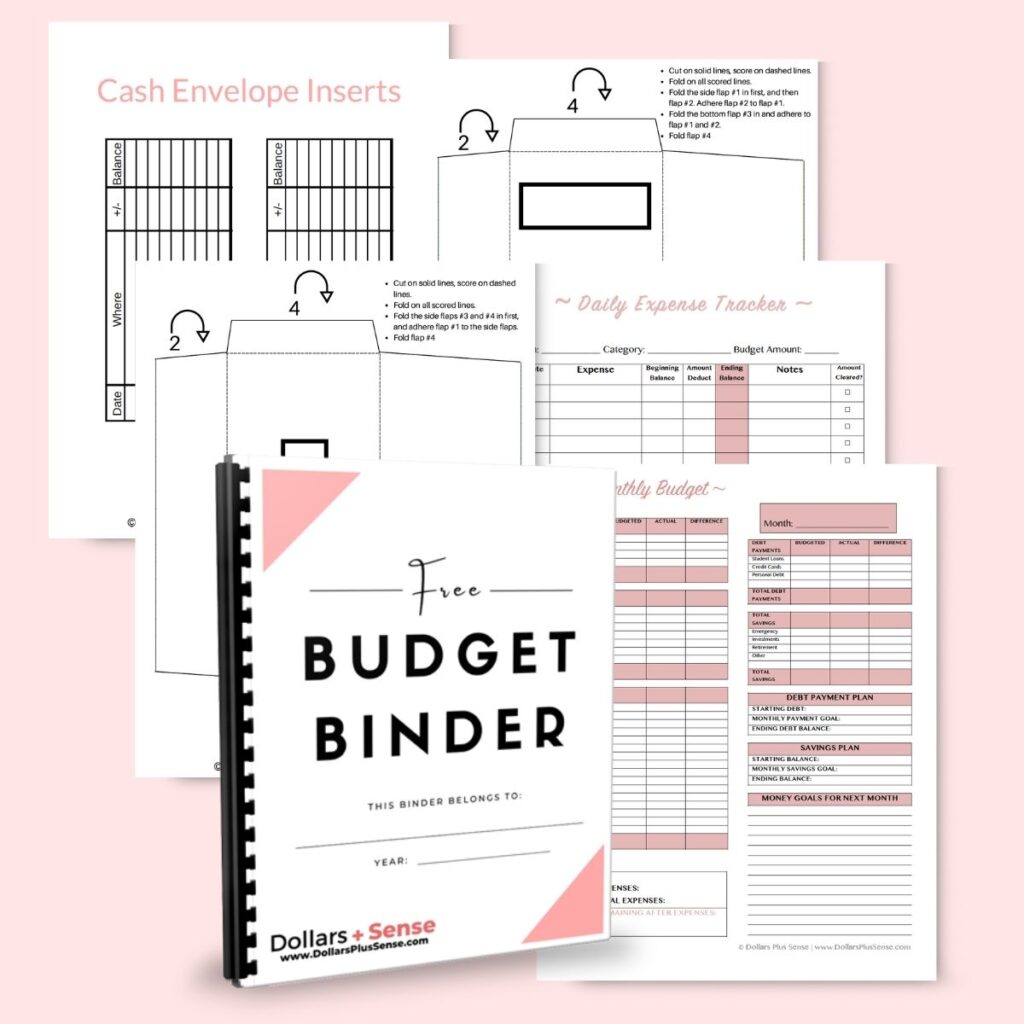
If you get paid every Friday, a weekly budget template helps you manage your finances with precision. Relying on a traditional monthly system often feels clunky because it does not align with your actual cash flow, so transitioning to a personal budget planner designed for weekly intervals can help you give every paycheck a specific job. This approach ensures you stop borrowing from next week’s money and helps you stay in control of your spending every single Friday.
Jump Ahead To:
Key Takeaways
- Build your budget around your actual take-home pay or net income, rather than the salary figure listed on paper.
- Split monthly bills into weekly set-asides so your Friday paychecks always cover upcoming due dates.
- Keep fixed bills, variable spending, and sinking funds in separate lines on your budget to maintain clarity.
- Use 5-Friday months to get ahead on savings, debt repayment, or next month’s bills, instead of using the extra cash to raise your spending.
- Review your budget every Friday so small issues do not turn into end-of-month stress and to stay on top of your personal money management.
Why Friday paychecks need a weekly budget
When you get paid every Friday, your money moves in short cycles. Your bills do not. Rent still shows up once a month. Insurance still renews on its own schedule. That mismatch is why a lot of women feel fine one week and stretched the next.
A weekly system fixes that. Instead of asking if you can afford a purchase today, you start asking what that specific paycheck needs to cover before next Friday. That one shift changes your entire outlook and helps you stay focused on your personal financial goals.
Start with your net income. Use the amount that hits your bank account after taxes, insurance, retirement contributions, and anything else already deducted. If your paycheck changes because of overtime, commission, or shift differentials, use your lowest recent paycheck or your average from the last few months.
Also, be honest about work-related costs. Your paycheck is not your spending power if parking, train fare, office lunches, child care, or work clothes eat a piece of it every week. Those expenses count.
Before you build your template, review the last two or three months of bank and credit card statements to track expenses. Look for fixed bills, spending habits, and categories that keep popping up. If cash spending makes your numbers fuzzy, add a small miscellaneous line until you know your real average.
Once you see how your income and expenses align, it gets much easier to tell your next Friday paycheck exactly where to go.
How to build your weekly budget template
Your budget should run from Friday to Thursday. That is your money week. Keep it simple by using a customizable weekly budget template that covers your income, fixed bills, weekly spending, sinking funds, savings, debt, and a small buffer.

Use one line for each category. Fixed expenses are bills that usually stay the same, such as rent, your car payment, phone, or insurance. Variable expenses are those expense categories that change week to week, like groceries, gas, coffee, takeout, and kids activities.
You can organize this information using Google Sheets, Microsoft Excel, Notion templates, or a simple printable budget. To get started, here is a free budget spreadsheet sample you can copy into your preferred tool.
| Weekly Budget Category | Type | Planned |
|---|---|---|
| Rent set-aside | Fixed monthly bill | $370 |
| Utilities set-aside | Fixed monthly bill | $40 |
| Car payment set-aside | Fixed monthly bill | $85 |
| Car insurance set-aside | Fixed monthly bill | $35 |
| Phone set-aside | Fixed monthly bill | $20 |
| Groceries | Variable weekly expense | $130 |
| Gas, parking, or train | Variable weekly expense | $55 |
| Eating out | Variable weekly expense | $35 |
| Sinking funds | Future expenses | $60 |
| Emergency fund | Savings | $50 |
| Extra debt payment | Goal | $70 |
| Buffer | Flex | $50 |
| Total weekly paycheck | $1,000 |
This is the part many people miss: not every line is due this week. Some of those amounts are set-asides. You are parking money for bills that will be due later in the month.
That makes your budget much steadier. Instead of scrambling when a bill hits, you have already built it into each Friday paycheck.
If your categories feel too tight, do not guess. Adjust based on real spending. If groceries always land at $150, write $150. A budget that works in real life beats a pretty one every time.
How to split monthly bills across weekly pay periods
This is where Friday budgeting gets easy. To turn a monthly bill into a weekly number for better cash flow planning, use this formula:
Monthly bill x 12 / 52 = weekly set-aside
That formula spreads the cost across all 52 weekly paychecks. You stop thinking in big monthly chunks and start thinking in smaller, calmer pieces. You can even use spreadsheet formulas to automate these calculations and keep your budget updated effortlessly.
Here is what that looks like with common bills.
| Bill | Monthly Amount | Weekly Set-Aside |
|---|---|---|
| Rent | $1,600 | $370 |
| Car insurance | $150 | $35 |
| Phone | $85 | $20 |
| Gym membership | $60 | $14 |
Round up when needed. That gives you a little cushion and helps cover months with slightly higher utility bills or small price changes.
Monthly bills don’t need monthly panic. Break them into weekly pieces and set the money aside every Friday.
You can keep these set-asides in one checking account if you’re disciplined. If you want more separation, move the money into a dedicated bills account or savings buckets right after payday. Many banks now let you create separate savings goals inside one account, which makes this much easier.
Pay attention to due dates, but don’t build your whole system around them. Your weekly set-asides are the real plan. Once the money is reserved each Friday, it does not matter much when your actual bill payments are processed, whether they are due on the 9th or the 11th.
Add sinking funds before surprise bills hit
Sinking funds are small weekly amounts for expenses that are real, predictable, and easy to forget. By setting these aside regularly, you can reach your long-term savings goals with less stress. Think of things like holidays, annual subscriptions, car repairs, gifts, school fees, vacations, pet care, and home maintenance.
If you know a bill is coming, it should not become an emergency.
Use the same idea here. Take the total you expect to spend and divide it by 52. If you want 600 dollars for holiday spending, save about 12 dollars a week. If car registration is 240 dollars a year, save about 5 dollars a week. A 780 dollar travel fund works out to 15 dollars a week.
Variable spending needs attention too. Categories like groceries and transportation, as well as personal spending, beauty appointments, and weekend fun, can drift fast if you do not give them a weekly limit. The easiest way to set those numbers is to check your past statements and use the average from the last few months.
If one category keeps blowing up your budget, don’t shame yourself. Fix the system. Lower spending somewhere else, raise the category to a realistic amount, or cut the trigger. For a lot of people, unsubscribing from store emails and sale alerts helps more than another budgeting app ever will.
Your budget should work with your real life, not your fantasy week.
What to do in a 5-Friday month
A month with five Friday paychecks can feel like extra money. While it is not actually additional income in the big picture, it does create significant breathing room. As your own weekly money manager, you should use that extra space on purpose to improve your financial stability.
The most important step is to align your income and expenses so you remain in control of your cash flow. Give that fifth paycheck a job before it arrives by trying one of these strategies:
- Funding next month’s first bills early to establish a solid projected budget for the following period.
- Catching up your emergency fund or sinking funds.
- Making a larger debt payment or investment contribution.
This is also a great time to get one paycheck ahead. When you can use this Friday’s income for next month’s bills, your budget starts to feel lighter and you stop making every money decision under pressure.
Try not to let a 5-Friday month turn into lifestyle creep. A few dinners out can quickly eat up the entire advantage. If you want to spend part of that extra paycheck for fun, that is perfectly fine, provided you decide on the specific amount before you start spending.
Make your template easy to keep up with
The best budget is the one you will keep using. Use your weekly budget tracker as a simple tool to manage your finances, and commit to a short Friday money routine to keep it functional.
When your paycheck hits, enter the amount, move your bill set-asides, and perform some quick transaction tracking to see what is due before next Friday. This rhythm is much more manageable than trying to track expenses on a bi-weekly paycheck schedule where the gaps between paydays can lead to overspending. If you are self-employed, remember to keep your personal finances completely separate from your business budget to avoid unnecessary confusion. You do not need a two-hour money date to stay on top of your plan.
Keep a small buffer in the plan too. Even $25 or $50 can stop a random copay, field trip fee, or parking ticket from throwing off the whole week.
If you share expenses with a partner, make Friday your check-in day. A five-minute conversation can save you from double-paying, forgetting a bill, or blowing the weekend budget without realizing it.
Consistency matters more than perfection. A simple weekly check-in beats a perfect budget you only open once a month.
Frequently Asked Questions
How is a weekly budget different from a monthly budget?
A monthly budget often ignores the timing of your income, which can lead to cash flow gaps if you are paid every Friday. A weekly budget aligns your spending directly with your paychecks, ensuring you set aside money for bills and savings every week instead of waiting until the end of the month.
What should I do if my weekly income fluctuates?
If your income changes due to overtime or commissions, use your lowest recent paycheck or a conservative average as your baseline. By budgeting for a lower income, you create an automatic buffer that helps you manage leaner weeks without falling behind on your fixed bills.
How do I handle expenses that are not due every week?
The best way to handle monthly or annual bills is to use the formula: monthly bill times 12, divided by 52. This gives you a specific weekly set-aside amount that you transfer out of every Friday paycheck, ensuring the cash is ready exactly when the bill is due.
What should I include in my weekly budget buffer?
A buffer is a small, flexible amount of money—usually $25 to $50—that you leave unallocated to cover minor, unpredictable costs. Including this in your template prevents small emergencies like parking fees or surprise expenses from disrupting your entire financial plan.
Final Thoughts
If you get paid every Friday, your budget should follow that rhythm. Relying on a weekly budget template helps you cover monthly bills, control variable spending, and plan ahead without the usual panic. While a traditional monthly budget planner might work for some, it often fails to account for the specific timing of weekly paychecks, making the weekly approach a much more effective tool for your cash flow.
You don’t need a complicated system. You need a clear one. When every Friday paycheck has a job, your money starts feeling a lot more predictable.
Start with one week. Then do it again next Friday. That is how you build a personal budget planner that finally sticks.
This post may contain affiliate links. If you make a purchase through these links, I may earn a small commission at no extra cost to you.