A standard monthly budget can look perfect on paper and fall apart by the second Friday. Here’s the fix.
“Look, a monthly budget sounds logical until your rent is due on the 1st and your paycheck lands on the 3rd. That’s not a budgeting problem — that’s a timing problem.” — Sense
When you’re paid every two weeks, your cash flow doesn’t match the calendar. A monthly plan can leave you short right before bills hit — not because you’re bad with money, but because the math doesn’t line up. Mastering the timing of your money is one of the most overlooked keys to financial stability.
A simple biweekly budget template fixes that. When you give each paycheck a specific job, you stop guessing which bill gets covered first. Start with the structure below, then shape it around your own pay dates and due dates.
Jump Ahead To:
Key Takeaways
- Align with your pay cycle. Biweekly pay means 26 paychecks a year — manage your money by pay period, not by calendar month, and you’ll avoid those cash flow crunches.
- Timing matters more than totals. Use each paycheck to fund only the bills due before your next payday. Simple rule, big difference.
- Split the big stuff. Large recurring expenses like rent go smoother when you set aside half from every paycheck instead of getting clobbered by one big hit.
- Use the third paycheck on purpose. Two months a year, you get a bonus paycheck. Have a plan for it before it arrives — or it’ll quietly disappear.
- Build a buffer. Even $200–$500 in a cushion account changes the energy of your entire budget.
Start with pay dates, not monthly totals
If you’re paid every other week, you get 26 paychecks a year. Your bills still follow a monthly cycle. So instead of building a monthly plan and hoping everything lines up, build around the pay period.

Write down your next two pay dates and your take-home pay (after taxes, insurance, and retirement). Then list every bill and expense due before the next check arrives.
“I know it feels like extra work upfront, but this is the step that makes everything else easier. You’re not budgeting blind anymore.” — Sense
Keep your first template simple. You need these core categories:
Fixed expenses — housing, debt payments, utilities
Variable expenses — groceries, transportation, discretionary spending
Savings and sinking funds — small pots for car repairs, gifts, annual fees, school expenses, travel. These are the categories that used to surprise you. Now they won’t.
Pull your last two or three bank statements. They tell the truth faster than memory does. If your grocery total varies, use the average. If your commute gets expensive certain months, budget for the higher number until the pattern settles.
If your income varies, base your plan on the smallest paycheck you expect. Anything above that goes toward savings, debt, or sinking funds. That one habit keeps your budget steady even when your hours or commissions shift.
A simple biweekly budget template you can copy
Use this as your starting point. It assumes $2,100 per paycheck and splits monthly expenses evenly across both checks.
| Category | Monthly target | Paycheck 1 | Paycheck 2 |
|---|---|---|---|
| Housing | $1,600 | $800 | $800 |
| Utilities | $300 | $150 | $150 |
| Groceries | $600 | $300 | $300 |
| Transportation | $300 | $150 | $150 |
| Debt payments | $400 | $200 | $200 |
| Savings | $500 | $250 | $250 |
| Sinking funds | $300 | $150 | $150 |
| Discretionary spending | $200 | $100 | $100 |
| Total | $4,200 | $2,100 | $2,100 |
This kind of biweekly budget template is easy to run because each paycheck has the Each paycheck has the same job. You can build this in Google Sheets or Excel and automate the math — but even a pen-and-paper version works perfectly. The goal is simple: on payday, you already know where every dollar goes.
“The housing line trips people up every time. Splitting rent into $800 and $800 doesn’t mean paying your landlord twice. You’re just holding your half each paycheck in a bills account until the full amount is due.” — Sense
That same method works for car insurance, annual memberships, and larger utility bills. Groceries and gas work better as spending money you use within each pay period.
Swap out the amounts for your real numbers and you’re ready to go. Numbers don’t lie — and neither does this format.
Managing Recurring Bills and Household Expenses
Recurring bills don’t need to line up perfectly with your pay cycle. You just need a repeatable rule for each expense.
| Expense | Monthly amount | Best split |
|---|---|---|
| Fixed expenses: Rent | $1,600 | Save $800 from each paycheck, then pay once |
| Fixed expenses: Electric | $120 | Put the full amount on the paycheck before the due date |
| Phone | $85 | Put the full amount on the paycheck before the due date |
| Groceries | $600 | Use $300 from each paycheck |
| Car insurance | $120 | Save $60 from each paycheck |
Large fixed expenses feel lighter when you divide them across both paychecks. Smaller monthly bills are easier to assign to whichever check lands before the due date. Variable costs like groceries and gas should match the number of days until your next payday.
And sinking funds? Start feeding those every paycheck — even $25 or $50 at a time. That’s the difference between a “surprise” expense and one you actually saw coming.

When pay dates and due dates don’t line up
TThis is where budgets get shaky. You get paid on the 3rd. Rent is due on the 1st.
“This is a timing issue, not a math issue. The solution isn’t complicated — it just requires thinking one paycheck ahead.” — Sense
The rule: If a bill is due before your next payday, the current paycheck needs to hold that money.
On each payday, look ahead to your next check date. Fund every bill due in that window. If you’re paid July 19 and your next check is August 2, your July 19 paycheck needs to cover anything due between those dates — including August 1 rent.
A separate bills account makes this much easier. Move your rent, utilities, insurance, and debt money there as soon as you get paid. Your everyday spending account only holds what’s available for groceries, gas, and fun.
If timing is still tight, ask your providers about changing due dates. Many credit card companies, utilities, and insurance providers allow it. Try to cluster due dates right after payday.
And build that buffer. Even $200–$500 gives you breathing room when a bill posts early or a paycheck lands late. Once that cushion is in place, your budget starts to feel less like a sprint.
How to make the most of a three-paycheck month
“Oh, I love a three-paycheck month. That’s not extra money to spend — that’s your financial freedom fund showing up early.” — Savvy
If you’re paid biweekly, two months a year will have three paychecks. That’s the opportunity. But only if you decide what to do with it before it arrives.
Your regular expenses should already fit inside two paychecks per month. So that third check is yours to use strategically.
Use it for whatever gives you the most relief right now:
- Bolster your emergency fund
- Pay down high-interest debt
- Fully fund holiday spending before the holidays hit
- Cover annual insurance premiums
- Build out your sinking funds for upcoming big purchases
A sample third-paycheck plan: $1,000 to emergency savings, $600 toward debt, $300 to sinking funds, $200 for guilt-free spending. The exact numbers matter less than the intention. When that check arrives without a plan, it disappears. Progress over perfection — but progress needs a direction.
Your questions, answered
Should I use a separate bills account? Yes — and this is one of Sense’s favorite systems. Transfer the exact amount for your fixed expenses right after payday. Those funds never touch your daily spending account.
What if a bill is due before my paycheck arrives? Your previous paycheck should already be holding that money. Always look at the window between your current payday and your next one, and fund everything due in that gap.
What if my income changes every two weeks? Base your budget on your lowest expected paycheck. Anything above that baseline goes toward savings, debt, or sinking funds. Small steps add up — and a steady base protects you when income fluctuates.
How often should I update my budget? Every two weeks, right on payday. A quick review keeps your numbers honest and your plan current.
Wrap it up
A budget that ignores your pay rhythm will keep feeling off. When you split monthly bills across two paychecks, hold early due dates with the prior check, and give your three-paycheck months a purpose, money management gets genuinely calmer.
You don’t need a complicated system. You need clear pay dates, honest numbers, and a plan you can actually trust.
“Budget now, freedom later. That’s not a slogan — it’s just math.” — Sense
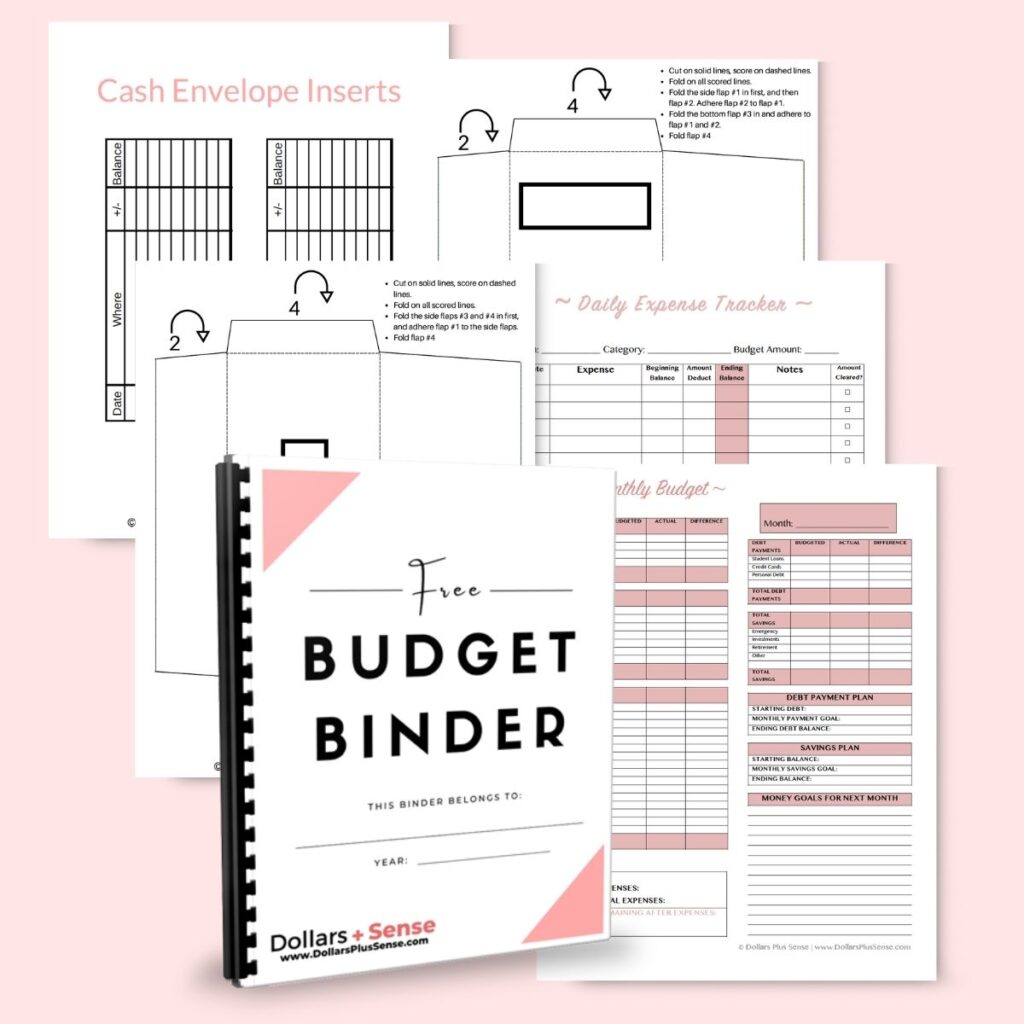
Ready to build your biweekly budget from scratch? Grab our Monthly Budget Worksheets or the Ultimate Budget Binder — both designed to make this system easy to run.