Sense: Let’s talk about it — that month where a third paycheck shows up and suddenly your account looks… different. If you’re paid every two weeks, this happens twice a year. And no, it’s not a bonus. It’s just the calendar finally catching up with your salary.
Savvy: Right, but here’s the thing — that “different” feeling? That’s an opportunity. Most people let it slip through their fingers because nobody ever told them what to do with it.
That’s exactly what we’re covering today.
Jump Ahead To:
What’s Actually Happening Here
If you’re on a biweekly schedule, you get 26 paychecks a year — not 24. Most budgets are built around two checks a month, so twice a year, a third one lands. Your regular bills are already covered. Rent’s paid. Utilities are handled. So that extra check feels loose — almost like it doesn’t belong to anyone.
Sense: It belongs to your plan. That’s the whole point.
If you’re paid semi-monthly (like the 15th and last day of the month), this one doesn’t apply to you the same way — you won’t get a true third-paycheck month.
Why It Disappears So Fast
Savvy: Let’s be honest about what happens. Unclaimed money feels like permission. A few dinners out. A sale haul. One “I deserve this” weekend. None of those choices are bad on their own — they just add up quietly when nobody gave that paycheck a job.
Sense: And there’s no shame in that. It’s not a discipline problem. It’s a planning gap. The fix isn’t guilt — it’s deciding before payday what winning looks like.
Want fun money built in? Great — plan for it on purpose. Planned enjoyment isn’t the enemy. Random spending is.

Step One: Protect Your Regular Budget
Sense: Before this paycheck goes anywhere exciting, check the basics:
- Fixed bills: rent/mortgage, utilities, insurance, debt minimums, child care, phone, subscriptions
- Everyday spending: groceries, gas, transit, work lunches
If your first two checks of the month don’t fully cover those, part of this third one needs to close that gap. That’s not failure — that’s your budget telling you the truth.
Also look for the irregular stuff: car registration, annual fees, holiday spending, medical deductibles. A three-paycheck month is the perfect time to fund those sinking funds before they ambush you.
If you ever have to pull money back later to cover normal life, the paycheck was never extra to begin with.
Step Two: Give It One Job
Savvy: Here’s where most people go wrong — they spread the money across five goals and feel busy but accomplish nothing. A little to savings, a little to debt, a little to fun… and nothing meaningfully moves.
Sense: One focused move beats five scattered ones. Every time.
Here’s the process:
Write the plan down for the next three-paycheck month. Future you won’t remember this conversation.
Pick your top money goal before payday. High-interest debt? Emergency fund? A future bill fund?
Send most of the paycheck there. Keep a smaller piece for a support goal if you want.
Move the money within 24 hours. Money sitting in checking has a way of getting “reassigned.”
Build in a little breathing room if you need it — just decide the amount ahead of time.
If you have to pull money back later to cover normal bills, the paycheck was never extra.
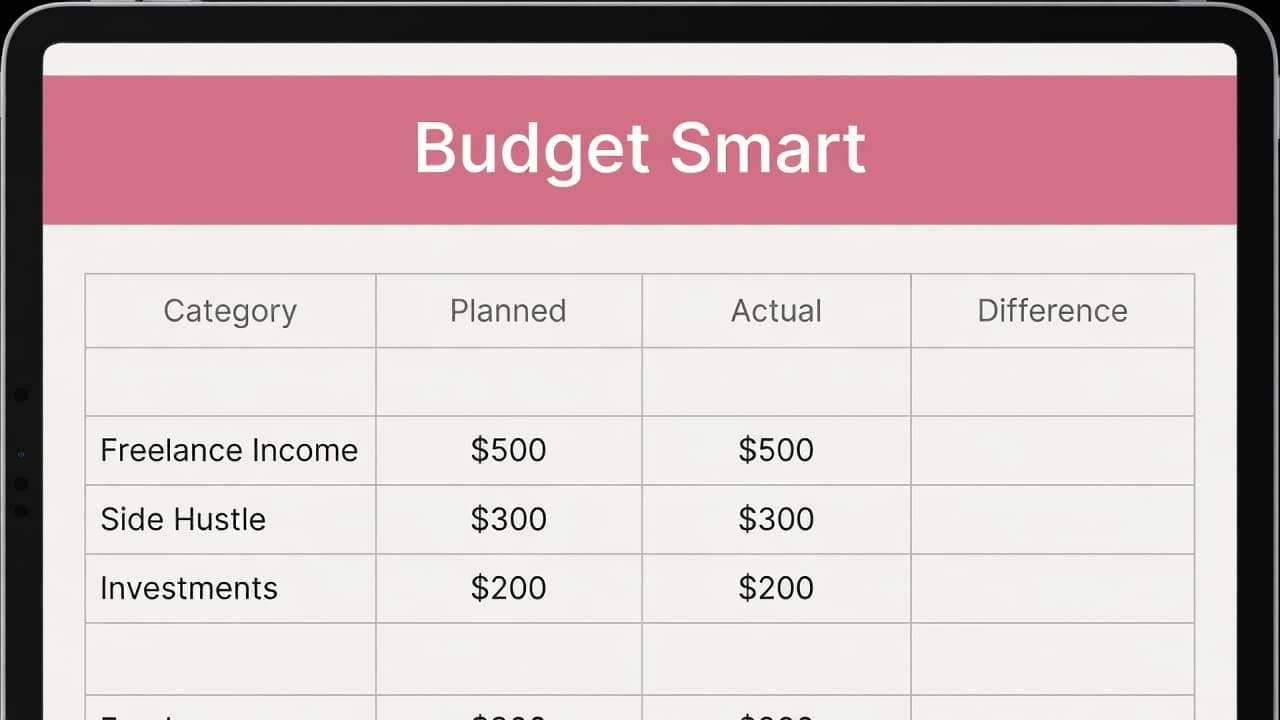
If your extra take-home pay is $2,400
| Category | Amount |
|---|---|
| Emergency fund | $900 |
| Credit card payoff | $700 |
| Annual and irregular bills fund | $400 |
| Retirement or investing | $300 |
| Planned fun money | $100 |
Savvy: Don’t copy these numbers exactly — copy the thinking. Thin emergency fund? Give it more. Carrying high-interest debt? That might take the top spot.
Where This Money Goes Best
- Build or refill your emergency fund
- Pay down high-interest debt (improves next month’s cash flow too)
- Fund irregular expenses — insurance, holidays, car repairs, home maintenance
- Create a one-paycheck buffer if your bills and paydays run too close
- Boost retirement contributions once short-term needs are covered
- Set aside a small, planned amount for fun
Sense: The best use is whichever one removes the most pressure from your life.
Savvy: And here’s the bigger picture — a three-paycheck month is a chance to create momentum, not just survive it. Decide its job before it lands, and you turn one unusual month into real progress.
Both: Big goals. Smart moves. Bigger freedom.